A commercial roof warranty is one of the most valuable financial protections a building owner possesses. On a typical Illinois commercial property, the roofing system represents a $150,000 to $400,000 investment, and a manufacturer warranty can protect that investment for 20 years or more. But that protection can be eliminated in a single afternoon by one unauthorized repair.
This is not a theoretical risk. It happens regularly to property managers across Illinois who are simply trying to stop a leak as quickly as possible. They call a handyman, a general contractor, or even their building maintenance staff, and within hours the repair is complete — and the warranty is compromised. Understanding exactly how unauthorized repairs void warranties and how to handle roof issues correctly is essential knowledge for anyone responsible for a commercial building.
Why Manufacturers Are Strict About Repairs
Unlike residential roofing where individual shingles can be replaced independently, a commercial roof is an integrated system. The membrane, adhesives, insulation, vapor barrier, flashings, and sealants all work together as a unified assembly. When one component is disturbed or altered, it can affect the performance of the entire system.
Manufacturers spend years developing and testing their systems to ensure every component is chemically and mechanically compatible. They specify exact installation procedures, adhesive types, welding parameters, and flashing details because they know that deviations can lead to premature failure — not just at the repair location, but in adjacent areas where the system integrity has been compromised.
When an unauthorized repair is performed, the manufacturer has no way to verify that compatible materials were used, that proper procedures were followed, or that the existing system was not damaged during the work. Rather than assume liability for a system that may have been compromised, they exercise their contractual right to limit or void the warranty. This is clearly spelled out in the warranty terms that every building owner agrees to at the time of installation.
What Counts as an Unauthorized Repair
The definition is broader than most property managers realize. It encompasses any work performed on the roofing system that was not pre-approved by the manufacturer or performed by a manufacturer-authorized contractor.
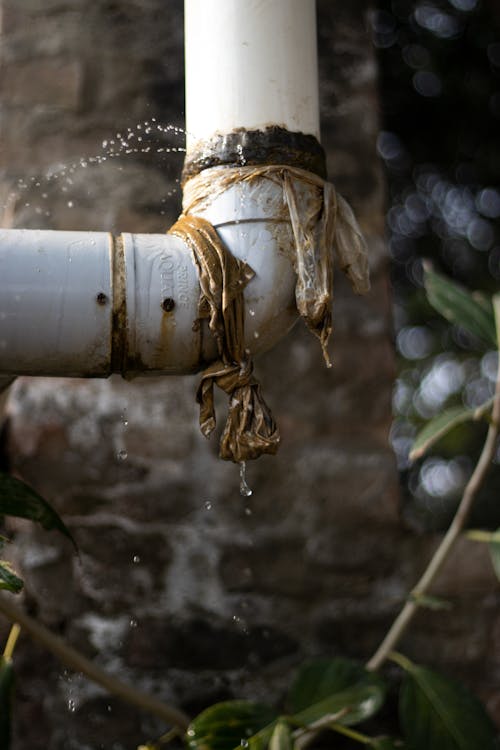
Emergency leak patches applied by building maintenance staff using hardware store sealants or roofing tar are one of the most frequent violations we encounter. Products like silicone caulk or asphalt-based sealants from home improvement stores are almost never compatible with commercial single-ply membrane systems. Applying silicone sealant to a TPO membrane creates an adhesion problem that causes the sealant to fail while also preventing future proper repairs from bonding to the surface.
HVAC installations and modifications are another major source. When a mechanical contractor cuts through the roof membrane to install a new unit or conduit without flashing it to the roofing manufacturer specifications, that constitutes an unauthorized modification that can void the warranty. Satellite dish and antenna installations, window washing anchor points, and even pressure washing with incorrect chemicals or excessive pressure all fall into the same category.
The common thread is that well-intentioned work performed by people not specifically authorized and trained on the roofing system can have consequences far beyond the immediate repair area.
Partial vs. Complete Warranty Voiding
Whether an unauthorized repair voids the warranty on the entire roof or just a portion depends on the specific warranty terms and the nature of the work. Some manufacturers will limit the voided area to a defined radius around the unauthorized repair if the work was minor and did not involve incompatible materials. Others — particularly when incompatible sealants or coatings were applied — will void the entire warranty because contamination can spread through foot traffic, rainfall, or wind-driven debris.
The worst-case scenario we have encountered multiple times is when a building owner discovers that unauthorized repairs were performed by a previous property management company or maintenance contractor. The current owner inherits a voided warranty and may not discover the problem until they attempt to file a claim years later.
How to Handle Roof Repairs Without Voiding Your Warranty
The correct procedure is straightforward, even in emergency situations. First, contact your authorized roofing contractor immediately. Most reputable commercial roofing companies offer emergency response and can have a crew on-site within hours for active leaks. At Frontline Commercial Roofing, we provide 24-hour emergency response for our maintenance agreement clients throughout greater Chicago and central Illinois.
Second, if an active leak requires immediate interior mitigation before the roofer arrives, focus on protecting the inside of the building with buckets, tarps, and containment barriers. Move sensitive equipment away from the affected area. But do not attempt to repair the roof itself.
Third, document the situation thoroughly — photograph interior damage, the roof area above the leak, and any contributing conditions. This documentation supports both warranty claims and insurance claims. Fourth, once your authorized contractor completes the repair, obtain written documentation of the work performed, materials used, and confirmation that the repair meets manufacturer specifications.
The Maintenance Agreement Advantage
The single most effective way to prevent unauthorized repair situations is a proactive maintenance agreement with a qualified commercial roofing contractor. Regular inspections catch minor issues before they become emergencies, and you have an established relationship with a contractor who can respond quickly and perform warranty-compliant repairs.
At Frontline Commercial Roofing, our maintenance agreements include semi-annual comprehensive inspections, priority emergency response, all repairs performed to manufacturer specifications with approved materials, complete documentation of all work, and direct coordination with manufacturers for warranty-related issues.
Your commercial roof warranty is too valuable to risk on a quick fix. Before any work is performed on your roofing system, make sure it is being done by the right people using the right materials and the right procedures.
Call (312) 450-0335 to speak with one of our roof specialists for a comprehensive roof assessment. We will inspect your system, identify any previous unauthorized work, and help you protect your warranty going forward.