Hiring a commercial roofing contractor is one of the most consequential decisions an Illinois property manager will make. The contractor you choose determines the quality of your installation, the validity of your manufacturer warranty, the longevity of your roofing system, and ultimately the long-term cost of protecting your building. Yet too many property managers make this decision based primarily on price, selecting the lowest bid without evaluating the qualifications behind that number.
The commercial roofing industry in Illinois includes hundreds of contractors ranging from highly qualified, manufacturer-authorized firms to underqualified operators who lack the training, insurance, and expertise to properly install and maintain commercial roof systems. Telling the difference requires asking the right questions and knowing what the answers should be.
Licensing, Insurance, and Bonding
Before any contractor sets foot on your property, verify their current Illinois roofing contractor license, general liability insurance with minimum $1 million per occurrence and $2 million aggregate, workers compensation insurance covering all employees, commercial auto insurance, and a surety bond appropriate for your project size. Do not accept certificates of insurance at face value — contact the carriers directly to verify policies are current. Request to be named as an additional insured on the contractor general liability policy for the project duration.
Workers compensation is particularly critical. If an uninsured worker is injured on your property, you as the building owner may be held liable for medical expenses and lost wages.
Manufacturer Authorization and Training
Every major manufacturer — GAF, Johns Manville, Carlisle, Firestone, Versico, Sika Sarnafil — maintains a network of authorized contractors trained and certified on their specific systems. Most warranties require installation by an authorized contractor for full coverage. For NDL warranties providing the highest financial protection, manufacturer authorization is almost always mandatory.
Ask which manufacturers the contractor is authorized by, what level of authorization they hold, and how long they have maintained it. Top-tier levels like GAF Master Elite, Carlisle Master, or Firestone Master Contractor indicate elevated standards for training, quality, and customer satisfaction.
Documentation and Inspection Procedures
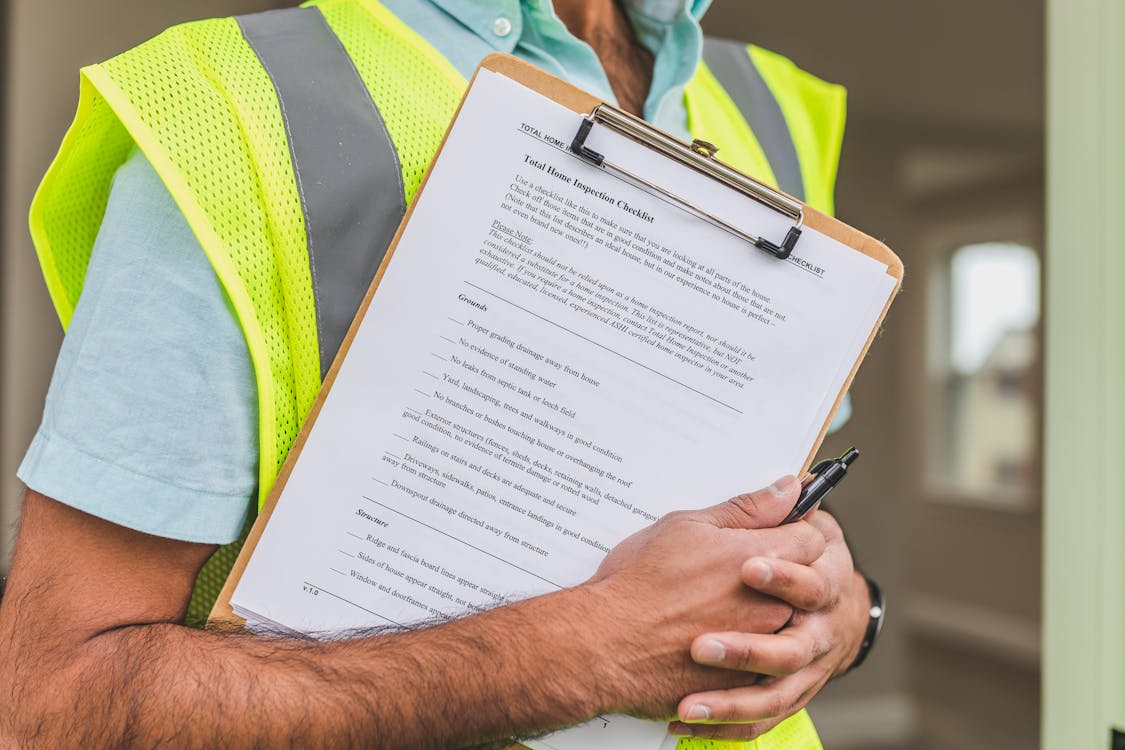
A professional contractor should have established procedures for documenting every aspect of their work — pre-project condition assessments with photographs, detailed proposals specifying materials and methods, daily progress documentation during installation, post-installation inspection reports, and ongoing maintenance reports on a regular schedule.
Ask to see examples of their inspection reports. The quality tells you a great deal about their professionalism. Reports should be thorough, clearly organized, and include high-resolution photographs. This documentation supports warranty claims, provides insurance evidence, creates historical records, and demonstrates to the manufacturer that required maintenance is being performed.
Transparent Pricing and Material Specifications
Every proposal should include a complete breakdown of materials, labor, and costs. You should see the specific membrane type, thickness, and manufacturer with product numbers, insulation type and R-value, all flashings, sealants, and fasteners specified by product name, labor costs broken out by category, project timeline with milestones, and any exclusions clearly stated.
Be cautious of proposals significantly lower than competitors. In commercial roofing, low bids almost always reflect compromises — thinner membrane, fewer fasteners, less adhesive, or less experienced crews. Those shortcuts save money on day one but cost significantly more through premature failures, warranty issues, and increased maintenance over the roof life.
Warranty Clarity and Options
Your contractor should clearly explain every warranty option — standard manufacturer material warranty, NDL warranty upgrades with specific terms and pricing, their own workmanship warranty, and any enhanced coverage like extended hail protection. Pay particular attention to the workmanship warranty covering installation defects. A strong workmanship warranty of five to ten years demonstrates the contractor stands behind their work. If a contractor cannot discuss warranty options in detail, that is a significant red flag.
Maintenance Programs and Emergency Response
A contractor focused on long-term relationships will offer ongoing maintenance and inspection programs essential for warranty compliance and maximizing roof service life. Ask what each inspection covers, how repairs are handled and priced, whether the program meets manufacturer requirements, and what the annual cost is for your building.
Your contractor should also offer emergency response capabilities for active leaks and storm damage. Ask about typical response time, whether they offer 24-hour service, and whether emergency repairs are covered under your maintenance agreement or billed separately.
Local Experience and Illinois-Specific Knowledge
Commercial roofing is not one-size-fits-all. Illinois presents unique challenges — extreme temperature swings from subzero winters to 95-degree summers, heavy snow loads, severe hail, intense freeze-thaw cycling, and high winds from Great Lakes weather systems. A contractor with extensive Illinois experience understands which systems perform best in these conditions, which installation methods are most effective, and which maintenance priorities matter most.
Ask how long they have worked in the Illinois market, how many commercial projects they have completed in the state, and whether they can provide references from property managers with similar buildings.
Why This Checklist Matters
A cheap estimate from an unqualified contractor is not a savings — it is a liability. The cost of correcting poor workmanship, replacing prematurely failed materials, and recovering from voided warranties will always exceed the cost difference between the low bid and the qualified bid.
At Frontline Commercial Roofing, we maintain authorizations with every major manufacturer, carry comprehensive insurance and bonding, provide detailed documentation for every project, and offer maintenance programs designed to maximize roof service life and protect warranty coverage.
Call (312) 450-0335 to speak with one of our roof specialists about your commercial roofing needs. Whether you need a new installation, a second opinion on an existing proposal, or a maintenance program for your current roof, we will provide the transparent, professional service your building deserves.